
Nigerian Army Salary Structure 2025: Complete Guide to Ranks And Allowances
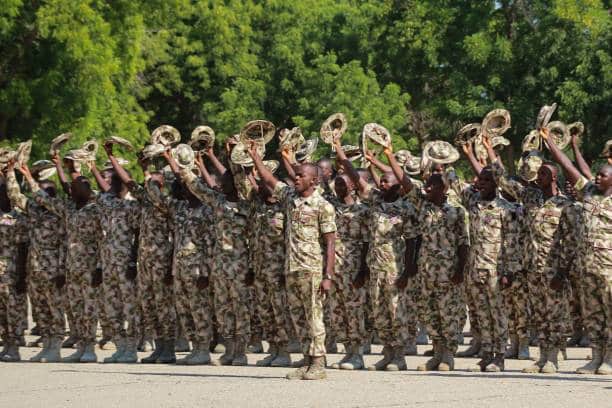
Complete Nigerian Army salary structure 2025: Ranks from Private (₦70,000) to Field Marshal (₦2,000,000+). Discover allowances, benefits, application process & career opportunities in Nigeria’s military.
Nigerian Army Salary Structure 2025/2026
The Nigerian Army is still one of the best jobs in Nigeria because it pays well, has great benefits, and lets you grow as a professional. Anyone who wants to join the military or move up in the ranks needs to know how the current pay structure works.
Overview of Nigerian Army Salary Structure 2025
There are two main groups of people in the Nigerian Army: commissioned officers and non-commissioned officers (NCOs).
A commissioned army officer makes about ₦800,000 a year, while a non-commissioned officer makes about ₦115,000. These amounts can change depending on rank, experience, and extra pay.
Key Factors Affecting Army Salaries
- Rank Level: Higher ranks command significantly higher salaries
- Years of Service: Salary increases with experience and time in service
- Special Assignments: Additional compensation for specialized roles
- Training and Qualifications: Professional development can lead to pay increases
- Location of Posting: Some postings may include location-specific allowances
Nigerian Army Ranks and Salary Breakdown 2025
Commissioned Officers Salary Structure
The commissioned officers represent the leadership tier of the Nigerian Army, typically requiring university education and officer training.
General Officers
- Field Marshal: ₦1,500,000 – ₦2,000,000
- General: ₦1,200,000 – ₦1,500,000
- Lieutenant General: ₦1,000,000 – ₦1,200,000
- Major General: ₦850,000 – ₦1,000,000
- Brigadier General: ₦700,000 – ₦850,000
Senior Officers
- Colonel: ₦600,000 – ₦750,000
- Lieutenant Colonel: ₦500,000 – ₦650,000
- Major: ₦400,000 – ₦550,000
Junior Officers
- Captain: ₦300,000 – ₦450,000
- Lieutenant: ₦250,000 – ₦350,000
- Second Lieutenant: ₦200,000 – ₦300,000
Non-Commissioned Officers (NCOs) Salary Structure
NCOs form the backbone of the Nigerian Army, providing essential leadership and technical expertise at various operational levels.
Senior NCOs
- Warrant Officer Class I: ₦180,000 – ₦220,000
- Warrant Officer Class II: ₦150,000 – ₦190,000
- Master Warrant Officer: ₦140,000 – ₦180,000
Junior NCOs
- Staff Sergeant: ₦120,000 – ₦160,000
- Sergeant: ₦100,000 – ₦140,000
- Corporal: ₦80,000 – ₦120,000
- Lance Corporal: ₦70,000 – ₦100,000
Other Ranks
- Private: ₦50,000 – ₦80,000
- Recruit: ₦30,000 – ₦50,000 (during training)
Nigerian Army Allowances and Benefits 2025
Beyond the basic salary, Nigerian Army personnel receive various allowances and benefits that significantly enhance their total compensation package.
Monthly Allowances
Operational Allowances
- Hazard Pay: ₦20,000 – ₦100,000 (depending on posting)
- Field Allowance: ₦15,000 – ₦50,000
- Combat Pay: ₦25,000 – ₦150,000 (for active combat zones)
Professional Allowances
- Technical Allowance: ₦10,000 – ₦40,000
- Language Proficiency: ₦5,000 – ₦20,000
- Special Skills: ₦8,000 – ₦35,000
Location-Based Allowances
- Hardship Allowance: ₦10,000 – ₦60,000
- Remote Area Allowance: ₦15,000 – ₦45,000
- Border Duty Allowance: ₦20,000 – ₦70,000
Annual Benefits
Leave Benefits
- Annual Leave Allowance: Equivalent to one month’s basic salary
- Travel Allowance: ₦50,000 – ₦200,000 (based on rank)
Medical Benefits
- Comprehensive healthcare for personnel and immediate family
- Access to military hospitals and medical facilities
- Emergency medical evacuation coverage
Housing and Accommodation
- Free accommodation in military barracks
- Housing allowance for personnel living off-base: ₦30,000 – ₦150,000
- Utilities subsidy in some locations
Long-term Benefits
Pension and Retirement
- Military pension scheme participation
- Gratuity payments upon retirement
- Post-service career transition support
Educational Benefits
- Sponsored military education programs
- Children’s education allowance
- Professional development courses
How to Apply for Nigerian Army Recruitment 2025
Joining the Nigerian Army requires following specific application procedures through official channels. Here’s a step-by-step guide to help you navigate the recruitment process successfully.
Step 1: Check Eligibility Requirements
Before applying, ensure you meet the basic requirements:
General Requirements
- Nigerian citizenship by birth
- Age: 18-26 years for non-graduates, 18-30 for graduates
- Minimum height: 1.68m for males, 1.65m for females
- Good physical and mental health
- Clean criminal record
Educational Requirements
- For Non-Commissioned Officers: Minimum of SSCE/WAEC with 5 credits including English and Mathematics
- For Commissioned Officers: University degree or HND from recognized institutions
- For Direct Short Service Course (DSSC): Professional qualifications in specialized fields
Step 2: Choose Your Entry Route
The Nigerian Army offers multiple entry paths:
Regular Recruit Intake (RRI)
- Long-term career commitment
- Comprehensive military training
- Opportunity for career advancement
Short Service Course (SSC)
- Shorter service commitment (3-8 years)
- For graduates and professionals
- Faster entry into officer ranks
Direct Short Service Course (DSSC)
- For highly qualified professionals
- Specialized roles in technical fields
- Direct entry at higher ranks
Step 3: Visit the Official Portal
Access the Nigerian Army recruitment portal at recruitment.army.mil.ng to begin your application process.
Step 4: Create Your Account
- Click on “Register” or “Create Account”
- Provide accurate personal information
- Use a valid email address and phone number
- Create a strong password
- Verify your account through email confirmation
Step 5: Complete the Application Form
Personal Information Section
- Full name as on birth certificate
- Date and place of birth
- Contact information
- Next of kin details
- Marital status
Educational Background
- Upload scanned copies of certificates
- Provide institution details
- Include NYSC discharge certificate (if applicable)
- Academic transcripts
Medical Information
- Medical history disclosure
- Current health status
- Any disabilities or medical conditions
Step 6: Upload Required Documents
Ensure all documents are clear, properly scanned, and in acceptable formats (PDF, JPEG):
Mandatory Documents
- Birth certificate or age declaration
- Educational certificates (WAEC, NECO, degree certificates)
- NYSC discharge certificate (for graduates)
- Local Government Area (LGA) certificate of origin
- Medical fitness certificate
- Recent passport photographs
- Police character certificate
Step 7: Submit Application
- Review all entered information carefully
- Ensure all documents are properly uploaded
- Submit the completed application
- Print the acknowledgment slip
- Keep your application reference number safe
Step 8: Prepare for Screening
After successful submission, prepare for the selection process:
Document Screening
- Verification of submitted documents
- Background checks
- Initial eligibility assessment
Written Examination
- General knowledge questions
- Mathematics and English proficiency
- Current affairs and military knowledge
Physical Fitness Tests
- Endurance running
- Push-ups and sit-ups
- Obstacle course
- Medical examination
Interview Process
- Oral interview with military officers
- Assessment of motivation and commitment
- Evaluation of leadership potential
Step 9: Medical Examination
Successful candidates undergo comprehensive medical screening:
- General physical examination
- Laboratory tests (blood, urine)
- X-ray examinations
- Psychological evaluation
- Fitness assessment
Step 10: Final Selection and Training
Selected candidates receive:
- Official admission letter
- Training school assignment
- Reporting instructions
- Required items list
- Training schedule
Important Tips for Successful Application
Application Best Practices
- Apply early when recruitment opens
- Ensure all information is accurate and truthful
- Keep copies of all submitted documents
- Regularly check your email and the portal for updates
- Maintain physical fitness before screening
Common Application Mistakes to Avoid
- Providing false information or fake documents
- Missing application deadlines
- Poor quality document scans
- Incomplete application forms
- Not meeting basic requirements
Career Progression in the Nigerian Army
Understanding career advancement opportunities helps in long-term planning:
Promotion Criteria
- Time in service requirements
- Performance evaluations
- Professional military education
- Leadership effectiveness
- Specialized training completion
Professional Development Opportunities
- Staff College attendance
- International military exchanges
- Specialized technical training
- University education sponsorship
- Leadership development programs
Nigerian Army Salary Comparison 2025
When compared to other Nigerian security agencies and civil service positions, the Nigerian Army offers competitive compensation:
Security Agencies Comparison
- Nigerian Police: ₦43,000 – ₦500,000
- Nigerian Navy: ₦45,000 – ₦800,000
- Nigerian Air Force: ₦50,000 – ₦850,000
- Nigerian Army: ₦50,000 – ₦2,000,000
Civil Service Comparison
Army salaries generally exceed most civil service positions, especially when including allowances and benefits.
Frequently Asked Questions (FAQ)
1. What is the minimum salary for a new Nigerian Army recruit in 2025?
The minimum salary for a new recruit during training is approximately ₦30,000-₦50,000 monthly. Upon completion of training and posting as a Private, the salary ranges from ₦50,000-₦80,000, depending on the specific posting and applicable allowances. This base salary increases with additional allowances for field duties, hardship postings, and special assignments.
2. How often are Nigerian Army salaries reviewed and increased?
Nigerian Army salaries are typically reviewed annually as part of the federal government’s budget process. However, significant increases usually occur every 3-5 years through comprehensive salary structure reviews. The most recent major review was implemented in 2024, with adjustments reflecting inflation and cost of living changes. Personnel can also receive individual salary increases through promotions and career advancement.
3. Do Nigerian Army officers receive housing allowances in addition to their basic salary?
Yes, Nigerian Army personnel receive housing benefits either through free accommodation in military barracks or housing allowances ranging from ₦30,000-₦150,000 monthly for those living off-base. The amount depends on rank, location, and availability of military housing. Senior officers typically receive higher housing allowances, and personnel posted to expensive urban areas may receive additional location-based adjustments.
4. What additional allowances can significantly increase a Nigerian Army officer’s total income?
Several allowances can substantially boost total compensation: Combat pay (₦25,000-₦150,000 for active zones), hazard pay (₦20,000-₦100,000 for dangerous assignments), hardship allowance (₦10,000-₦60,000 for difficult postings), technical allowances (₦10,000-₦40,000 for specialized skills), and border duty allowances (₦20,000-₦70,000). Personnel in active combat zones or specialized roles can potentially double their base salary through these allowances.
5. How long does the Nigerian Army recruitment process take from application to final selection?
The Nigerian Army recruitment process typically takes 6-12 months from application submission to final selection and deployment. This includes document screening (2-4 weeks), written examinations (1-2 months after screening), physical fitness tests and interviews (1-3 months), medical examinations (2-4 weeks), and final selection and training assignment (1-2 months). Delays can occur due to the large number of applicants and thorough vetting processes.
6. Can civilians with no military background apply directly for officer positions in the Nigerian Army?
Yes, civilians can apply directly for commissioned officer positions through the Short Service Course (SSC) and Direct Short Service Course (DSSC) programs. University graduates can join as Second Lieutenants through SSC, while professionals with specialized qualifications (doctors, engineers, lawyers) can enter through DSSC, potentially at higher ranks. Both routes require meeting specific educational qualifications, age limits, and passing rigorous selection processes including interviews, fitness tests, and medical examinations.
7. What are the retirement benefits and pension scheme for Nigerian Army personnel?
Nigerian Army personnel are entitled to comprehensive retirement benefits including military pension payments, gratuity (lump sum payment upon retirement), and access to the Contributory Pension Scheme (CPS). Officers who serve for 15-35 years receive pension payments equivalent to 2.5% of their annual salary multiplied by years of service. Additional benefits include post-service medical care, access to military hospitals, and career transition support programs to help veterans integrate into civilian employment.
8. Are there opportunities for further education and professional development in the Nigerian Army?
Yes, the Nigerian Army strongly emphasizes continuous education and professional development. Personnel can access sponsored university education, attend local and international military academies, participate in specialized technical training programs, and pursue professional certifications. The Army regularly sponsors officers for Master’s and PhD programs, Staff College courses, and international military exchanges. Educational achievements often lead to promotions and salary increases, making it a valuable investment in career advancement.
9. What is the difference between Short Service Course (SSC) and Regular Recruit Intake (RRI) in terms of career prospects and salary?
Short Service Course (SSC) officers typically commit to 3-8 years of service and enter as commissioned officers (Second Lieutenants) with starting salaries of ₦200,000-₦300,000. Regular Recruit Intake (RRI) personnel make long-term commitments (up to 35 years) and start as Privates with salaries of ₦50,000-₦80,000 but have greater promotion potential over time. While SSC offers immediate higher pay and faster civilian reintegration, RRI provides better long-term career advancement opportunities and higher eventual earnings through extended service and promotion to senior ranks.
10. How does deployment to peacekeeping missions affect Nigerian Army salaries and allowances?
Deployment to international peacekeeping missions (UN, ECOWAS, AU) significantly increases total compensation through special mission allowances ranging from $1,000-$1,500 monthly (approximately ₦500,000-₦750,000), depending on the mission location and rank. Personnel receive hazard pay, family separation allowances, and per diem payments in foreign currency. These deployments, typically lasting 6-12 months, can effectively double or triple regular monthly income while providing valuable international experience that enhances career advancement prospects upon return to Nigeria.
Conclusion
The Nigerian Army pays well and offers a lot of benefits, making it a good career choice for qualified Nigerians. Military service offers job security and chances to move up in your career.
Salaries range from ₦50,000 for entry-level positions to over ₦2,000,000 for senior officers, and there are many allowances and benefits.
To get into the Nigerian Army, you need to plan ahead, meet all the requirements, and follow the right steps to apply through the official recruitment portal. Prospective applicants need to keep an eye on job postings and stay in good shape.
For the most current information on recruitment and salary structures, always visit the official Nigerian Army website and recruitment portal at recruitment.army.mil.ng.
Related Links:
- Nigerian Army Official Website
- Nigerian Army Recruitment Portal
- NAF Salary Structure 2025: Complete Guide to Monthly Allowance & Stipend
Hope you found this content useful, kindly follow and share to friends and other prospective officers for the Nigerian Army.
Disclaimer: Salary figures are estimates based on available 2025 data and may vary. Verify all information through official Nigerian Army channels (army.mil.ng) before making career decisions.




One Comment